


Where Termites Hide in Southern California Homes and How Professionals Eliminate Them
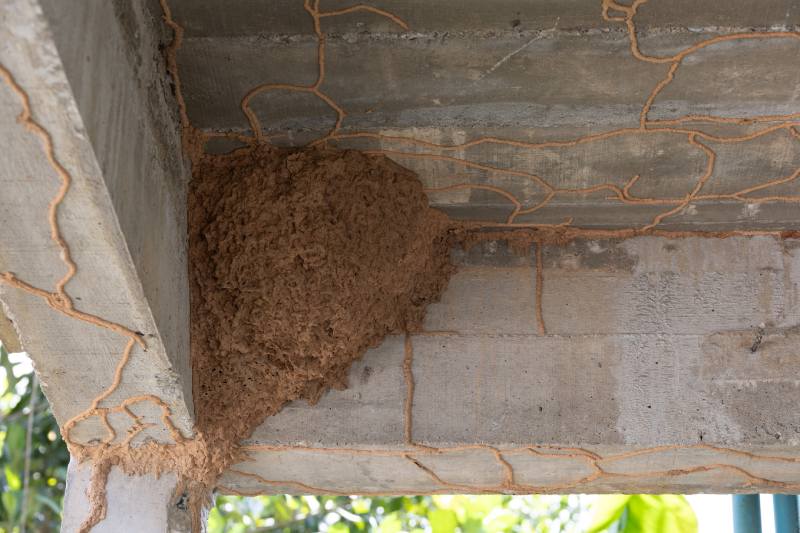
Termite Inspections in Los Angeles – Common Termite Damage Locations
Termites are one of the most destructive pests a homeowner can face, and Southern California’s warm climate allows them to remain active throughout much of the year. Unfortunately, termite damage often goes unnoticed until repairs become costly because these insects typically feed from the inside out. Understanding where termites commonly appear and how professionals treat different infestations can help homeowners protect their investment and avoid extensive structural damage.
Whether you’re scheduling termite inspections in Los Angeles or looking for termite inspections in El Monte, regular inspections are the best way to identify termite activity early and determine the best home termite treatment for your property.
Attics and Roof Framing
Drywood termites frequently infest attics, roof framing, fascia boards, rafters, and exposed wood trim. Unlike subterranean termites, drywood termites do not require contact with soil and can establish colonies directly inside dry wood.
Homeowners may notice tiny piles of termite droppings (frass), discarded wings near windows, or small exit holes in wooden beams. Because infestations are often localized, professionals may recommend spot treatments using specialized foam, dust, or injected termiticides that penetrate the affected wood. In cases where multiple colonies are spread throughout the structure, whole-home fumigation may provide the most effective solution.
Exterior Wood Trim and Siding
Wood siding, eaves, pergolas, deck structures, and decorative trim are common entry points for termites. Constant exposure to sunlight, moisture, and weather causes small cracks that make wood more vulnerable to infestation.
Treatment may involve removing severely damaged wood, applying borate wood preservatives, or performing localized chemical treatments. Replacing deteriorated wood and maintaining properly sealed exterior surfaces also helps reduce the likelihood of future infestations.
Crawl Spaces and Foundations
Subterranean termites are especially attracted to damp soil and wood that remains in contact with the ground. Crawl spaces, foundation walls, mudsills, support posts, and floor joists are among the first areas professionals inspect during termite inspections in Los Angeles.
One of the most effective treatments for subterranean termites involves creating a protective barrier around the home’s foundation using liquid termiticides. In some situations, bait stations are strategically installed around the property to eliminate the colony over time. Correcting drainage problems and reducing excess moisture are also important parts of long-term termite prevention.
Bathrooms, Kitchens, and Laundry Rooms
Areas with plumbing leaks or elevated humidity provide ideal conditions for termites. Bathrooms, kitchens, laundry rooms, and utility spaces often contain hidden moisture behind walls, beneath cabinets, or around plumbing penetrations that can attract subterranean termites.
If termite activity is isolated, technicians may inject treatment products directly into wall voids or damaged wood. At the same time, repairing plumbing leaks and improving ventilation helps eliminate the moisture conditions that encourage termite activity.
Garages and Storage Areas
Garages frequently contain exposed framing, stored lumber, cardboard boxes, and wooden shelving that can become attractive food sources for termites. Expansion joints in concrete slabs and small cracks around utility penetrations may also provide entry points for subterranean termites.
During professional inspections, technicians carefully examine these areas for mud tubes, damaged wood, and evidence of active colonies before recommending the appropriate treatment.
Windows, Doors, and Wooden Trim
Door frames, window casings, baseboards, and hardwood flooring are common locations where homeowners first notice termite damage. Soft wood, bubbling paint, hollow-sounding trim, or doors that suddenly become difficult to close may all indicate hidden termite activity.
Localized infestations can often be treated without disturbing large portions of the home, but prompt action is essential to minimize structural damage.
Why Regular Termite Inspections Matter
Many termite infestations remain hidden for years before visible damage appears. Annual or routine inspections allow trained professionals to identify early warning signs, evaluate conditions that attract termites, and recommend preventative measures before repairs become expensive.
Professional inspectors understand the differences between drywood and subterranean termites and can determine which treatment method will provide the safest and most effective long-term results for your specific property.
Trust HomeGuard Incorporated for the Best Home Termite Treatment and Inspection
Protecting your home from termites begins with early detection and expert treatment. HomeGuard Incorporated has extensive experience providing comprehensive termite inspections in El Monte, helping homeowners identify hidden infestations before they cause significant structural damage. Whether your home requires a localized treatment, a foundation protection system, or whole-structure fumigation, their experienced inspectors can recommend the best home termite treatment based on the type of termites present, the location of the infestation, and the condition of your home. With thorough inspections, proven treatment methods, and a commitment to protecting Southern California homes, HomeGuard Incorporated helps homeowners safeguard one of their most valuable investments.