


How to Prioritize Home Repairs and Upgrades: A Practical Guide for Homeowners
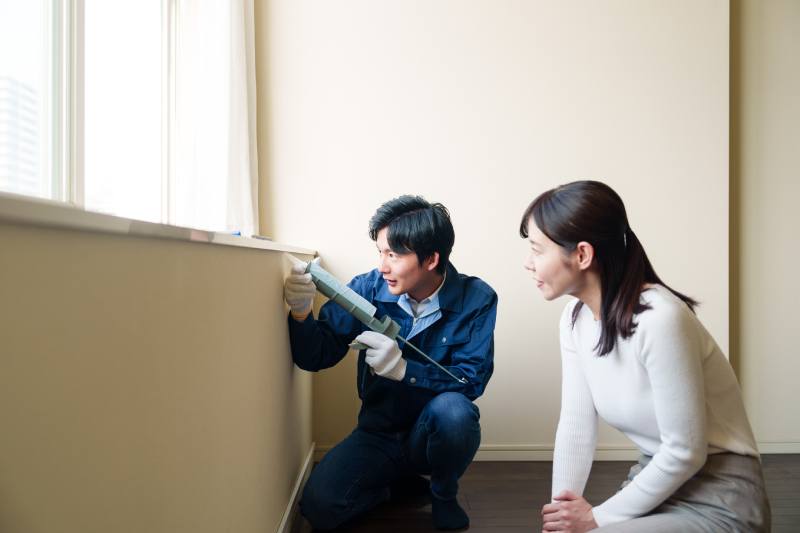
What Bay Area Home Maintenance Tasks Are A Priority, and What Can Wait?
Owning a home comes with an ongoing list of repairs, maintenance tasks, and upgrade opportunities. While it can be tempting to focus on cosmetic improvements or the most visible projects, making smart decisions about what to tackle first can save money, protect your investment, and prevent larger problems down the road. The key is understanding how factors such as seasonality, cost, safety, and long-term consequences should influence your priorities.
A good starting point is to separate projects into three categories: urgent repairs, preventative maintenance, and value-enhancing upgrades. Urgent repairs should always come first. Issues involving water intrusion, electrical hazards, roof damage, plumbing leaks, or structural concerns can quickly escalate into expensive problems if ignored. For example, a small roof leak may seem manageable today, but over time it can lead to mold growth, damaged insulation, and costly interior repairs.
Seasonality is another important factor when planning home projects. Certain repairs and maintenance tasks are more effective and affordable when completed during specific times of the year. For homeowners completing Bay Area home maintenance tasks, spring and fall are often ideal seasons for inspections and preventative work. Roof inspections, gutter cleaning, HVAC servicing, and exterior painting can be scheduled before weather conditions worsen. By planning ahead, homeowners can often avoid emergency service calls and premium repair costs.
Cost should also be evaluated carefully, but the cheapest option is not always the most economical. Consider both the immediate expense and the long-term financial impact. A repair that costs a few hundred dollars today may prevent thousands of dollars in future damage. When evaluating upgrades, think about energy savings, durability, and return on investment. Replacing an aging water heater with a more efficient model, for example, may reduce utility bills while improving reliability.
Another useful decision-making tool is assessing the consequences of doing nothing. Ask yourself what will happen if the project is delayed by six months, one year, or longer. If postponing a repair creates safety risks, accelerates deterioration, or increases future costs, it should move higher on your priority list. On the other hand, purely cosmetic upgrades can often wait until more critical needs have been addressed.
Creating a yearly maintenance plan can help homeowners stay organized and proactive. A comprehensive annual Bay Area home maintenance checklist may include inspecting the roof, servicing HVAC equipment, checking plumbing fixtures, sealing exterior gaps, cleaning gutters, testing smoke detectors, and evaluating drainage around the property. Completing these routine tasks regularly helps identify potential issues before they become major repairs.
For larger projects, consider balancing repairs with strategic upgrades. If a deck needs structural repairs, for example, it may make sense to incorporate design improvements at the same time. Combining projects can reduce labor costs and minimize disruptions while improving the home’s functionality and value.
Ultimately, successful homeownership is about prioritizing wisely. Focusing first on safety, preventing damage, accounting for seasonal timing, and considering long-term costs can help homeowners make informed decisions and protect one of their most valuable assets. Whether you’re planning routine Bay Area home repair projects or major upgrades, a thoughtful approach can save time, money, and stress.
Choose HomeGuard Plus+ for Bay Area Annual Home Maintenance Advice, Service, and More
Homeowners looking for added peace of mind may benefit from enrolling in HomeGuard Plus+. Regular maintenance reminders, access to trusted service providers, and proactive support can help simplify homeownership while reducing the likelihood of costly surprises throughout the year.