


Are Termites Active Year-Round? Understanding Termite Lifespan, Behavior, and Winter Risks
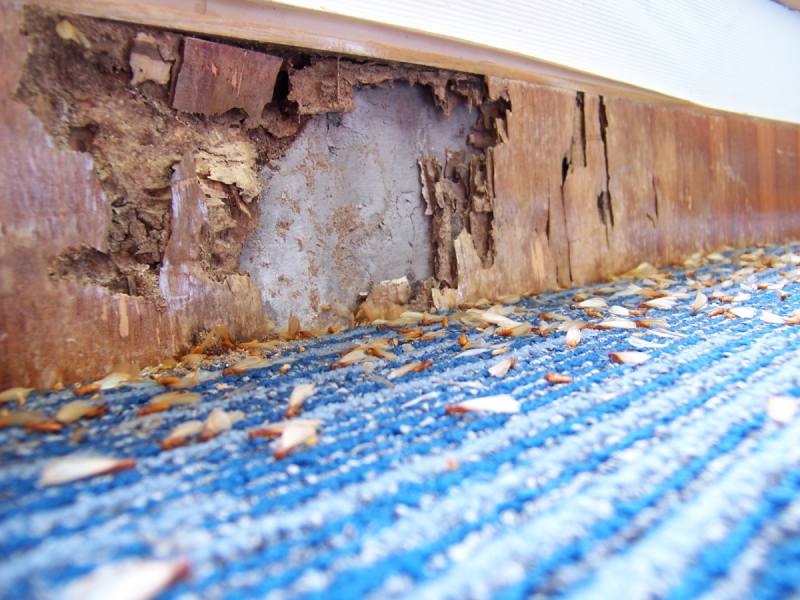
Should You Worry About Termites in the Winter? Termite Inspections in Pasadena
Termites are one of the most destructive pests homeowners face in Southern California. While many people assume termites are only a warm-weather problem, the reality is more complex. Understanding termite lifespan and behavior—and knowing whether they remain active during winter—can help homeowners protect their investment with timely termite inspections in Pasadena and professional home evaluations.
Termite Lifespan and Colony Behavior
A termite colony operates as a highly organized system with different castes, each playing a vital role. Worker termites, which cause the most damage, typically live one to two years. Soldier termites have a similar lifespan, while reproductive termites—especially queens—can live for decades. In fact, a termite queen can survive 20 years or more, laying thousands of eggs annually. This long lifespan is what makes termite infestations so persistent and difficult to eliminate without professional intervention.
Termites feed primarily on cellulose, which is found in wood, paper, and many building materials. Once a colony establishes itself in or around a home, it can quietly cause structural damage for months or even years before visible signs appear. This is why regular home inspections in Pasadena are critical, even if your home appears problem-free.
Are Termites Active During Winter?
Contrary to popular belief, termites do not disappear in winter—especially in milder climates like Pasadena. Subterranean termites, the most common type in California, live underground where temperatures remain relatively stable year-round. During colder months, they simply burrow deeper into the soil to stay warm, continuing to feed on wooden structures from below.
Drywood termites, another common threat, live entirely within wood and are largely unaffected by seasonal temperature changes. This means they can remain active inside walls, attics, and even roofing structures throughout the winter months. As a result, winter is not a “safe” season when it comes to termite damage.
Why Winter Inspections Still Matter
Because termite activity is less visible in winter, infestations can easily go unnoticed. Scheduling professional termite inspections in Pasadena during the cooler months is advantageous, as inspectors are trained to spot subtle signs such as mud tubes, wood damage, and droppings that homeowners may miss.
A comprehensive inspection often goes hand in hand with roof inspections in Pasadena, since termites can access homes through rooflines, fascia boards, and attic spaces. Moisture issues from roof leaks can also attract termites, making roof condition an essential part of overall pest prevention.
Protecting Your Home Year-Round – Termite Inspections in Pasadena
The best defense against termites is proactive maintenance and regular inspections. HomeGuard Incorporated provides thorough home inspections in Pasadena, helping homeowners identify termite activity, structural vulnerabilities, and moisture issues before they become costly repairs.
Whether it’s summer or winter, termites remain a genuine and ongoing threat to homes in Southern California. By understanding their behavior and scheduling regular inspections, homeowners can protect their property, maintain its value, and enjoy peace of mind year-round. If you haven’t had your home inspected recently, now is the time to ensure termites aren’t silently damaging your investment.